
Pregnancy
Choose language:
Choose language:
As soon as you find out you are pregnant contact your GP or midwife. You will usually be offered your first midwife appointment by the time you are 10 weeks pregnant.
If you have a health condition and have been advised to be seen sooner then please mention this when you call the surgery and also contact your usual health care team.


The community midwife will provide much of the care you need during pregnancy. They will ask detailed questions about any previous pregnancies and your physical and mental health. Any additional appointments will depend on your individual needs and circumstances.
You may be referred to a specialist antenatal clinic in your local hospital. Most hospitals run a variety of specialist antenatal clinics, for example clinics for women with diabetes in pregnancy, with doctors and midwives who are experts in diabetes. Most women who need hospital appointments will be able to attend their local hospital for these. Some women may be asked to travel to hospitals with specialised services, for example clinics for women with heart or kidney problems. These clinics are run by teams who are experts in these areas.
Before your come to your appointment it is worth writing down any questions you may have. You will be involved in all decisions about your care. You may find it helpful to bring your partner, a family member, or friend to the appointment with you.
Your health are practitioner will want to discuss details of your medical history and medication with you. Please bring the following information with you.
✔ Your maternity notes if these are a paper version
✔ A list of your current medication
✔ Details of any tests or treatments you had at a different hospital than the one you are being seen atWhen options are discussed with you you may find the following 3 questions helpful

Team members will discuss your health conditions, how they might impact your pregnancy and how pregnancy may affect your conditions. The doctors may advise additional tests, depending on your condition.
They will also usually discuss your medications. Please bring a list of these with you. For most medications the benefit of taking them is greater than the risk of not taking them. It is generally not advisable to stop taking your medication without talking to a healthcare professional about this first.
The obstetric team will discuss and agree a pregnancy plan with you. This may involve extra monitoring, for example additional scans. They may suggest additional treatments such as aspirin, aiming to reduce the chance of developing pre eclampsia
You will have the opportunity to explain your concerns and wishes and to ask questions. The maternity team will record the clinic visit and agreed plans in your pregnancy notes. They will also sometimes communicate with other healthcare professionals involved in your care, for instance your GP or other specialists, or they may ask to refer you to an MDT.
The obstetric team may advise that they do not think it is necessary for you to have ongoing care at the hospital and leave you with an ‘Open Appointment’. This means they will not book a specific date for you to come back to see them but they will keep you on their books for the duration of your pregnancy so that you can return for care if necessary. You will of course still have the usual care with your midwife and any routine scans.
Usually you will be offered further appointments to monitor you and the pregnancy.
For rarer conditions or those that may be more risky for you or your baby the obstetric team may recommend referral for an opinion at a teaching hospital such as those in Leicester, Nottingham or Derby. Alternatively they may ask whether they can take your case for discussion at a specialist MDT. MDTs are Multidisciplinary Team meetings.


MDTs are Multi Disciplinary Meetings.
The East Midlands Maternal Medicine Network has set up a series of MDTs for different groups of health conditions. The teams meet monthly and are made up of
As a group they will look at your specific details, your wishes and preferences as represented by your obstetrician, and the expertise of your local hospital. Based on this information they will make recommendations for your care during pregnancy, around the time of birth and after birth.
This will either include:
The recommendations are guided by what the group of experts believe to be the safest for you and your baby, with the aim for you to have as much care close to home as possible.
Your obstetrician will explain the recommendations from the MDT to you. You will have the opportunity to ask questions and discuss the plan.
Not necessarily. For most women who are referred to the MDT the MDT makes recommendations on how you can best be looked after at your local hospital. Sometimes they suggest a visit to the teaching hospital for an assessment or specialist tests to make sure a pregnancy and birth plan is safe and appropriate for you. If the team make plans for specialist care that may not be available at your local hospital or if they believe it is safer for you to give birth where specialist emergency care is available in case it is need they may suggest you give birth at the teaching hospital. The team will discuss the reasons for any recommendations and agree a plan with you.
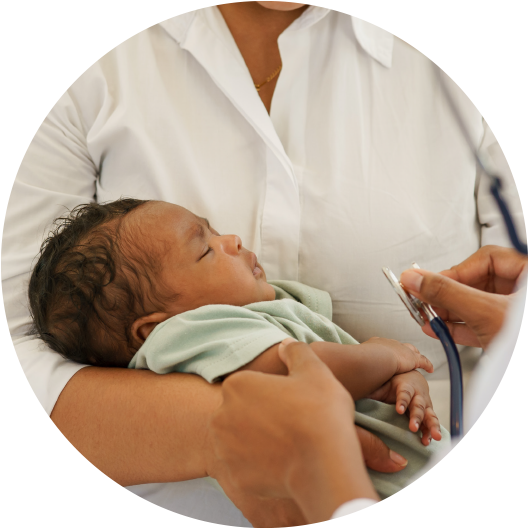

If you are asked to attend for a visit at a teaching hospital this will be similar to the one at your local hospital – again please bring your medication and any questions you may have! You may meet more than one specialist as well as specialist midwives and nurses. When the team sees you they may once again suggest additional tests, specific monitoring or a change to your medication. They will also discuss your onward care. This may involve reassurance that further care and birth at your local hospital is safe or a recommendation to give birth at the teaching hospital.
Your midwife will continue to be involved in your care. She offers important aspects of your care that the hospitals do not.
The team looking after you will explain to you where and how to seek advice and help. This will likely differ for different questions or problems and may commonly include:
