
Recent MBRRACE reports from the confidential enquiries into maternal deaths highlight that now more woman are dying from ‘indirect’ causes (such as heart disease, neurological conditions and sepsis) than from ‘direct’ causes directly attributable to complications of pregnancy and childbirth.
Black and Asian women are at increased risk of a poor pregnancy outcome as are women who come from a more deprived social background or those with pre-existing mental health conditions.
The EMMMN is therefore pro-actively reaching out to our communities to encourage timely engagement with healthcare services and working with healthcare providers to improve access to care and increase awareness.
The Network is also looking to improve identification and referral of women who are at risk of complications. This is a challenge as women with medical problems who are pregnant or who are contemplating pregnancy will present to a variety of facilities including GPs, the emergency department & acute medicine wards, and obstetric & midwifery services. However, as over two thirds of the conditions that were implicated in the deaths were known about before pregnancy many of the women were already known to healthcare teams. The EMMMN is therefore developing strategies to capture both women with chronic and those with more acute problems – see: access to specialist care.
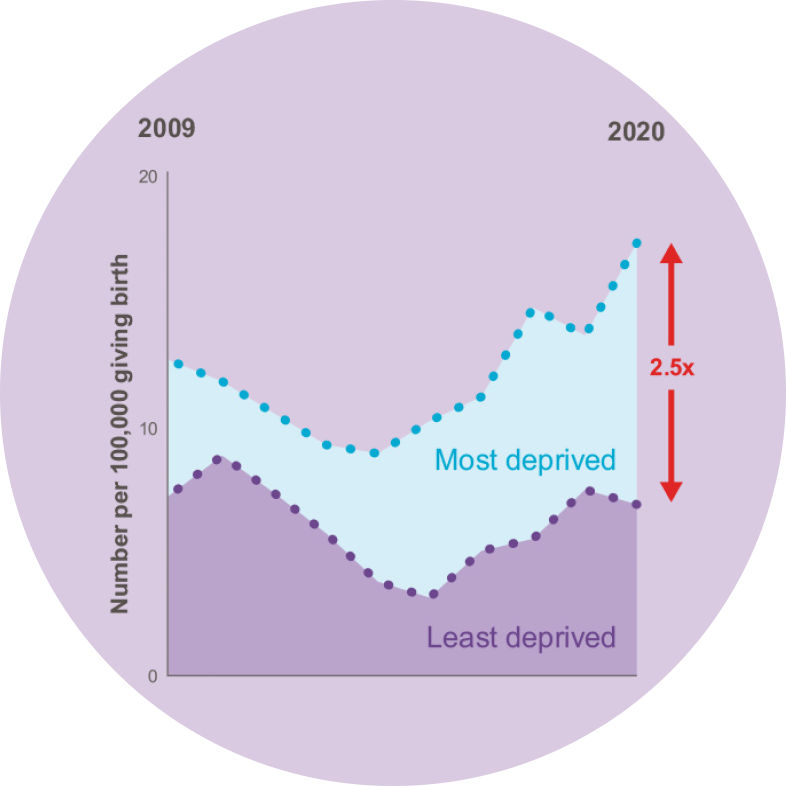
More women from deprived areas are dying and this continues to increase
Black and Asian women have a higher risk of dying in pregnancy

Chronic conditions
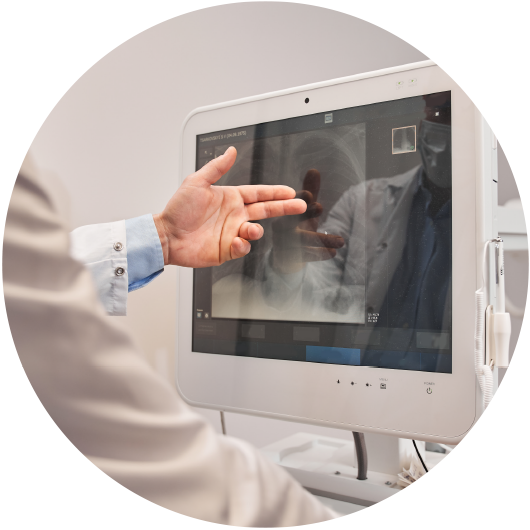
For women with known medical conditions the Network has set out referral guidelines to ensure that those women at highest risk are referred to specialist regional teams with expertise in pregnancy care. The aim is to optimise the management of the women’s conditions prior to pregnancy and to gain expert input into their care during and after pregnancy through our regular specialist multidisciplinary team MDT meetings.
Acute presentations and new diagnoses
For women who develop new symptoms and conditions during pregnancy the EMMMN has started to work with GP groups and emergency department and acute medicine physicians to highlight the importance of effective communication and joint care with obstetric and midwifery teams. At our recent conference we also highlighted some of the cultural barriers to communication between specialties, focused on effective strategies and shared innovative ways of team working.